How To Keep Your Polished Concrete Floors Shiny and Durable
Discover effective methods for keeping polished concrete floors shiny and durable, including the right cleaning products and resealing techniques.
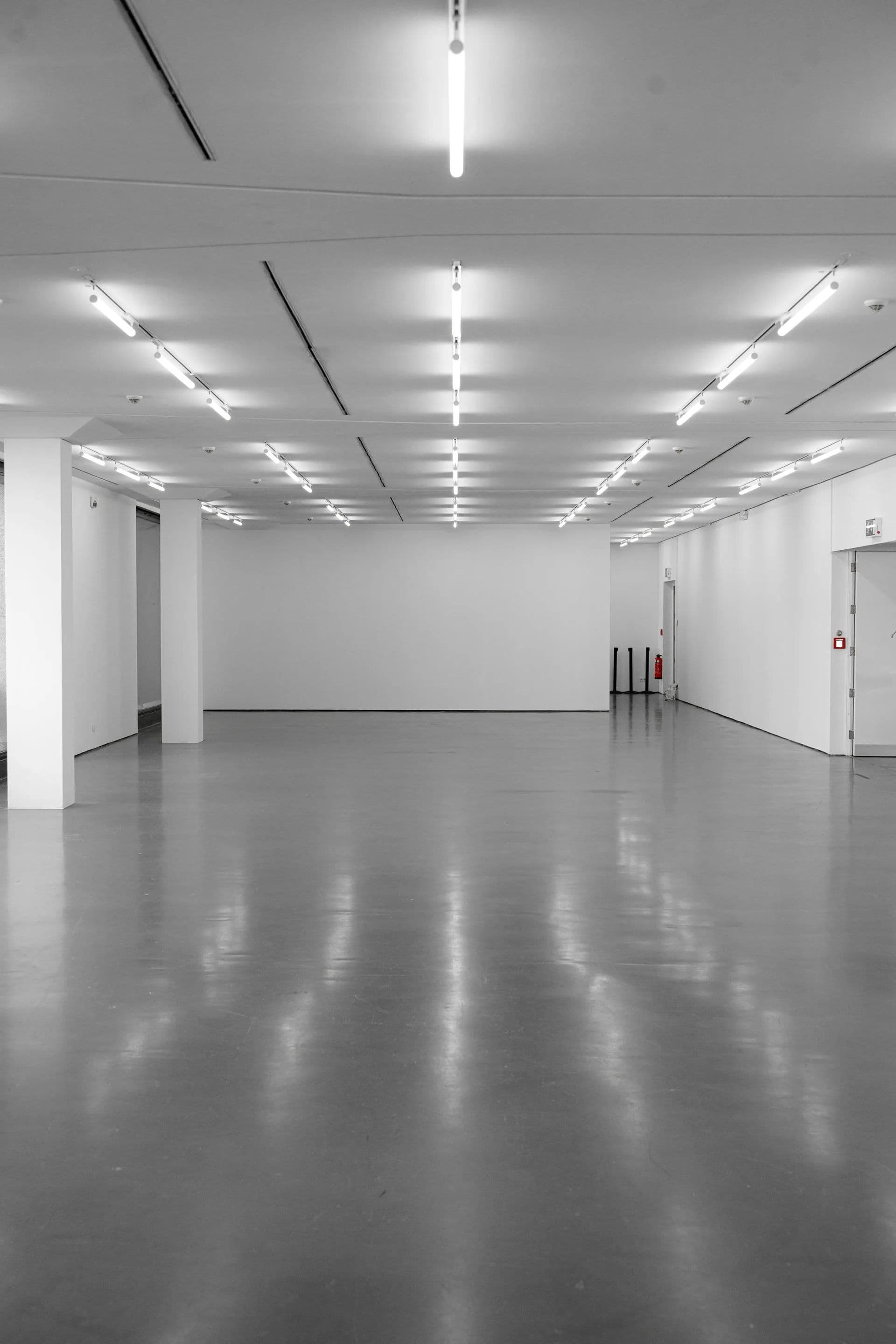
Caring for polished concrete floors means regular dry dust mopping, pH-neutral wet cleaning, and periodic resealing based on foot traffic. Polished concrete is low-maintenance, but it has specific needs most homeowners aren't warned about. Dynamic Concrete serves homeowners across the northwest Twin Cities metro corridor and regularly sees the same mistakes shorten the life of an otherwise durable floor.
After years of concrete work across Big Lake, Elk River, and Rogers, the team at Dynamic Concrete has noticed one consistent pattern: floors that lose their shine early aren't the heaviest-used ones; they're the ones cleaned with the wrong products. Citrus-based cleaners etch the protective sealer just like road salt eats unprotected pavement. One product swap is often all that separates a floor that looks sharp at year five from one that looks flat by year two.
What Actually Damages Polished Concrete
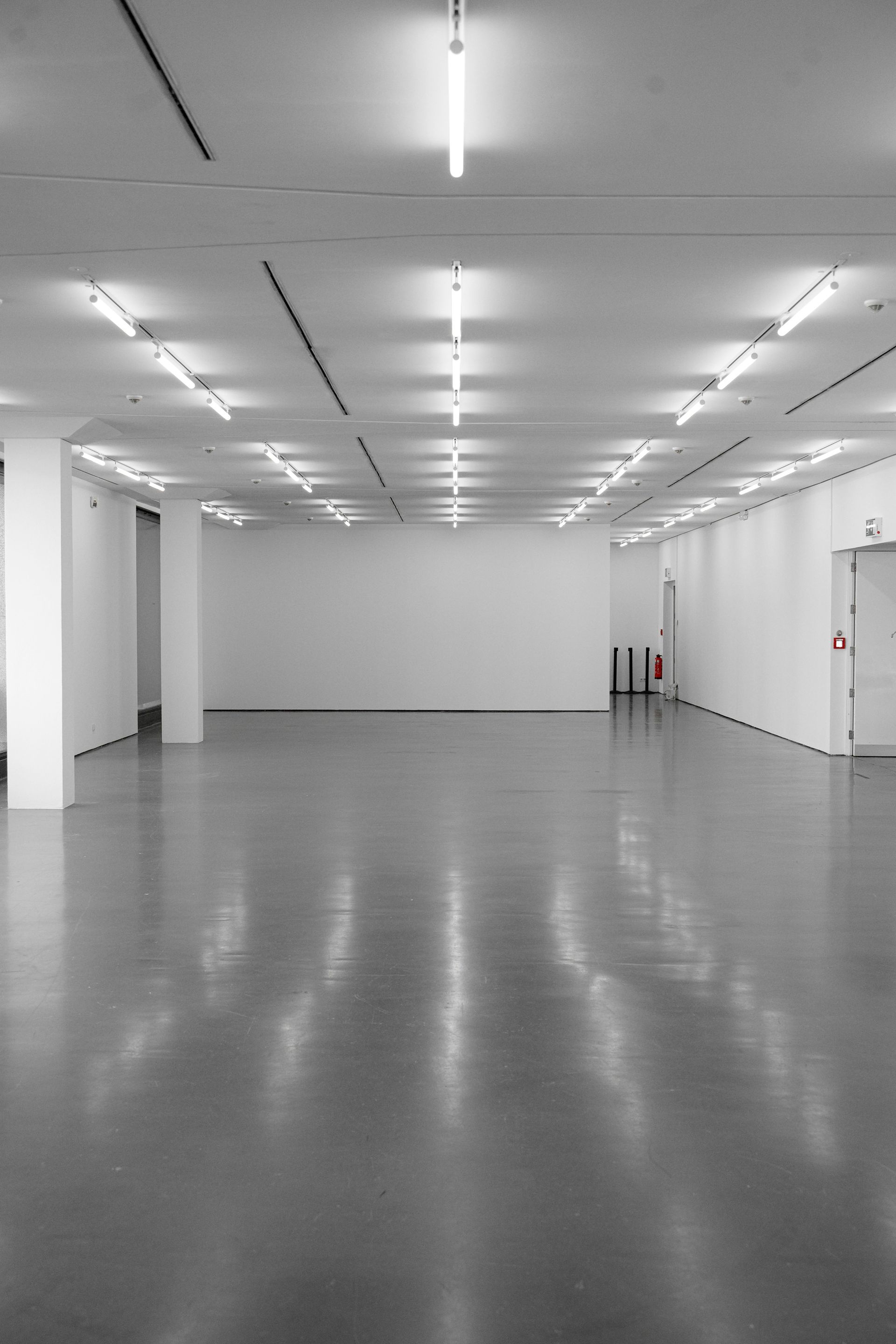
The sealer on polished concrete is what delivers gloss and stain resistance. Most damage starts there, not at the slab, which means it's preventable.
Here are the most common culprits:
Acidic cleaners: citrus-based products, vinegar, grout cleaners break down the sealer with regular use
Fine grit and sand tracked in on shoes: acts like sandpaper underfoot
Standing water left on the surface: dulls the finish over time
Rubber-backed mats: trap moisture and discolor the sealer
In Minnesota, grit season runs November through April. Roads across Monticello and Dayton get heavy salt and sand treatment all winter, and it comes inside on every pair of boots. Without barrier mats and daily dry mopping, that abrasive material works against your floor constantly.
The Right Way to Clean Polished Concrete
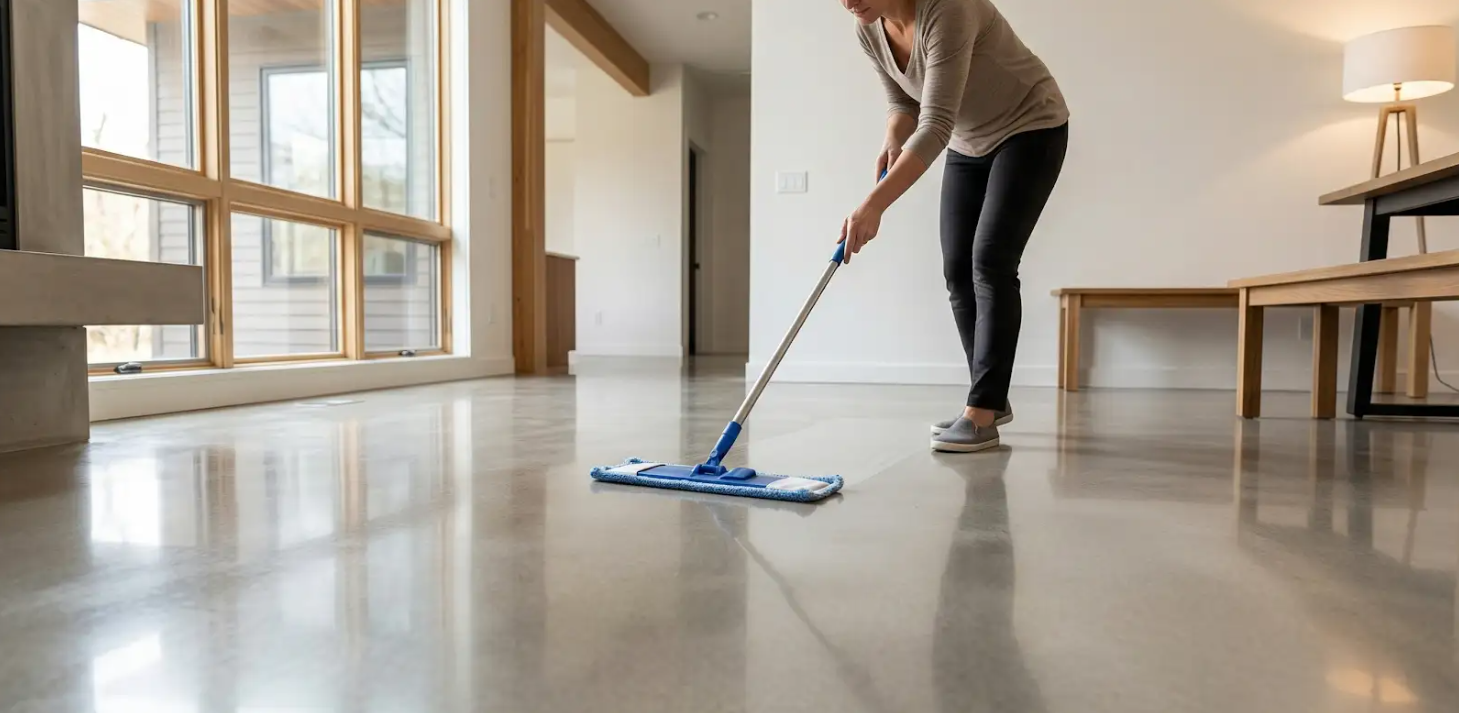
Start every session with a dry microfiber dust mop to lift loose grit before moisture touches the surface. Do this daily in high-traffic areas, weekly in lower-use rooms. This is the single most effective habit for preserving gloss.
For wet cleaning, use a pH-neutral cleaner diluted according to the label’s instructions with a damp flat microfiber mop. Avoid steam mops. Heat and pressure can push water through sealer joints and soften the topcoat over time. Keep it damp and let it dry fast. Homeowners with concrete overlays or resurfaced floors should confirm the sealer type with their installer before switching products.
Protecting Against Scratches and Heavy Use
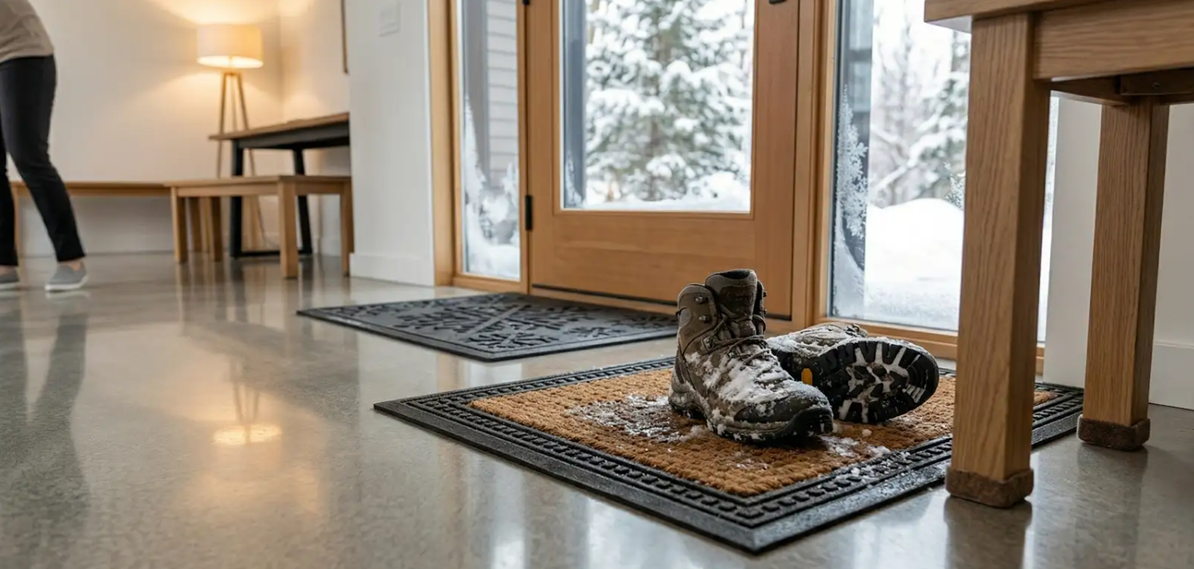
Felt pads under furniture legs aren't optional. A dining chair dragged across the floor can scratch the sealer on the first pull. Use a polycarbonate mat under rolling office chairs.
At entryways, a two-mat setup (one outside, one just inside) stops grit before it reaches the floor. In a northwest metro Minnesota home, tracked-in winter debris is constant from November through March.
When To Reseal Your Polished Concrete Floor
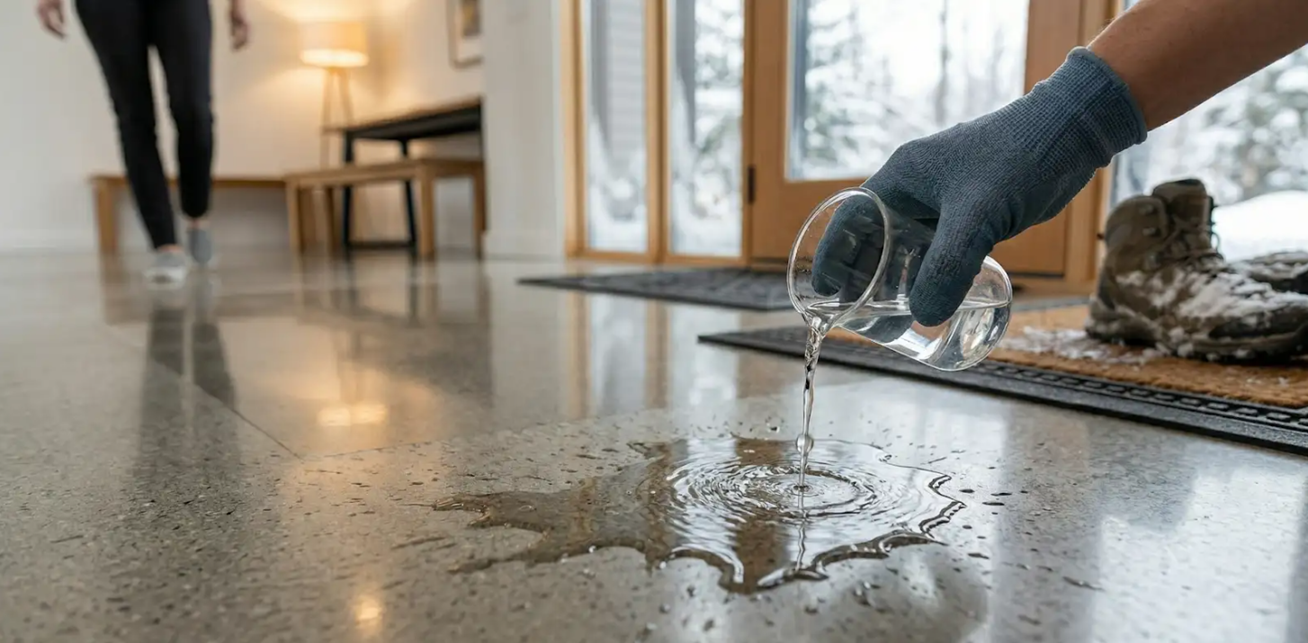
Polished concrete generally benefits from resealing every 3 to 5 years under normal residential use, sooner in mudrooms and entryways. The simplest test is to pour a small amount of water on the surface. If it soaks in within 30 seconds rather than beading, the sealer needs attention.
Resealing is a maintenance step, not a full restoration. If the floor has scratches or dull spots, a light polish pass before resealing restores the surface. Dynamic Concrete offers concrete services for Big Lake area homeowners year-round and can offer advice on the right approach.
Frequently Asked Questions
Can I use a Swiffer or steam mop on polished concrete floors?
A Swiffer-style dry sweeper works well for daily dust removal on polished concrete. Steam mops aren’t recommended. Heat and pressurized moisture can penetrate sealer gaps over repeated use, softening the topcoat and dulling the finish. Use a damp microfiber mop with a pH-neutral cleaner for wet cleaning instead.
How do I remove scratches from polished concrete?
Light scratches in the sealer can often be addressed with a topcoat application once the floor is clean and dry. Deeper scratches reaching the concrete require a mechanical polish pass before resealing. Dynamic Concrete can assess the depth and recommend a maintenance seal or full repolish as needed.
Is polished concrete harder to maintain than other flooring?
Polished concrete requires less maintenance than other types of flooring. No waxing, no stripping, no specialty treatments. All it needs is regular dry mopping, pH-neutral wet cleaning, and periodic resealing. That's a shorter maintenance list than hardwood, tile grout, or most carpet types.
Keep Your Polished Concrete Looking Its Best
The difference between a floor that still reflects light at year five and one that looks flat by year two usually comes down to one or two habits. The right cleaner, regular dry mopping, and resealing when the water test says it's time.
If you're unsure where your floor stands, get an instant online quote from Dynamic Concrete or call (763) 238-3672. We serve homeowners across the northwest Twin Cities corridor, from Maple Grove to Zimmerman.