Garage Drain, Apron, Sidewalk, and Floor Coating Done Right
Most garages are one water problem away from a headache. No drainage means standing water, slippery surfaces, and concrete that takes a beating every time it rains or snow melts off a vehicle. That's exactly the kind of situation we set out to fix here - and we tackled it from the ground up.
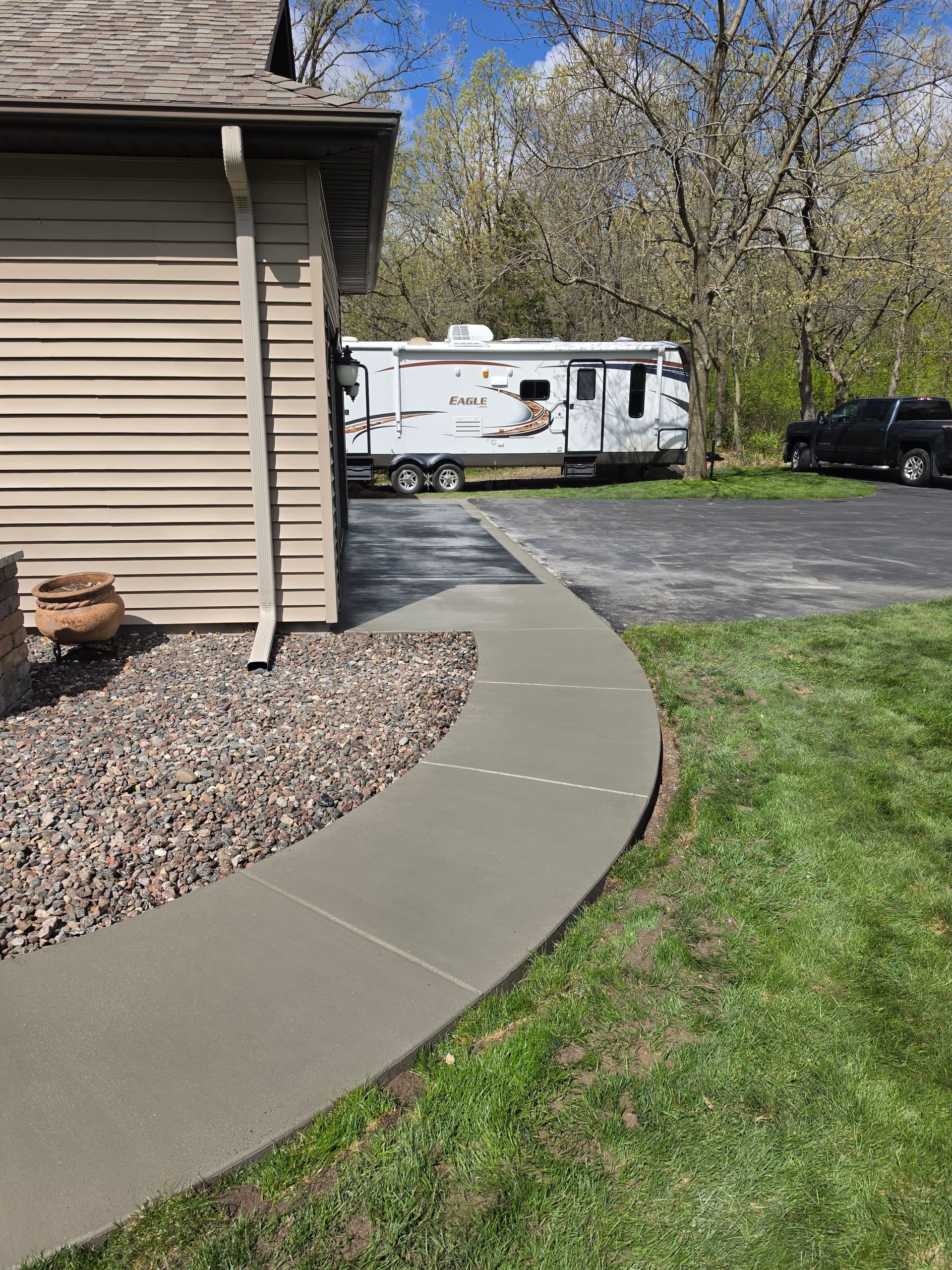
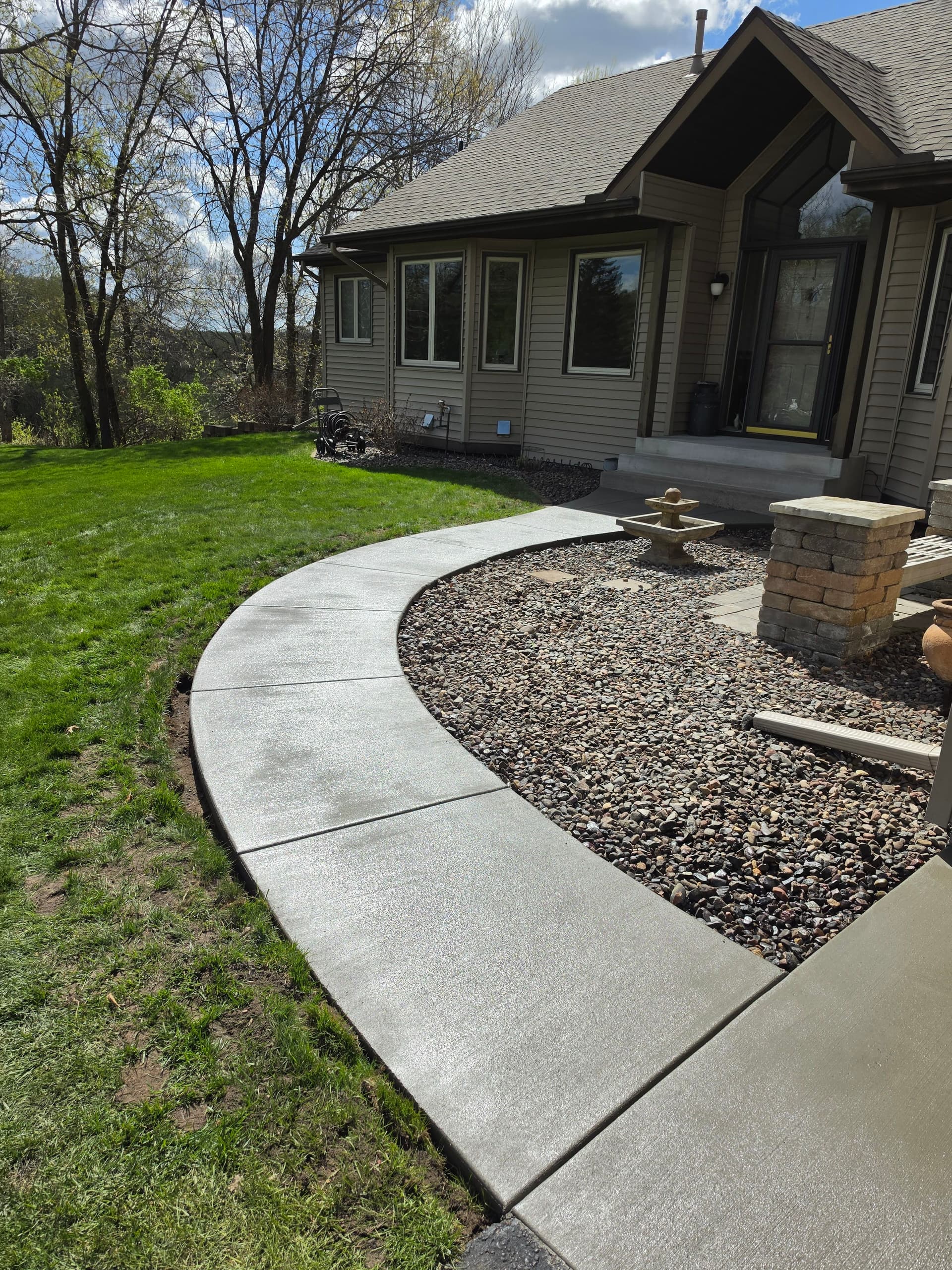
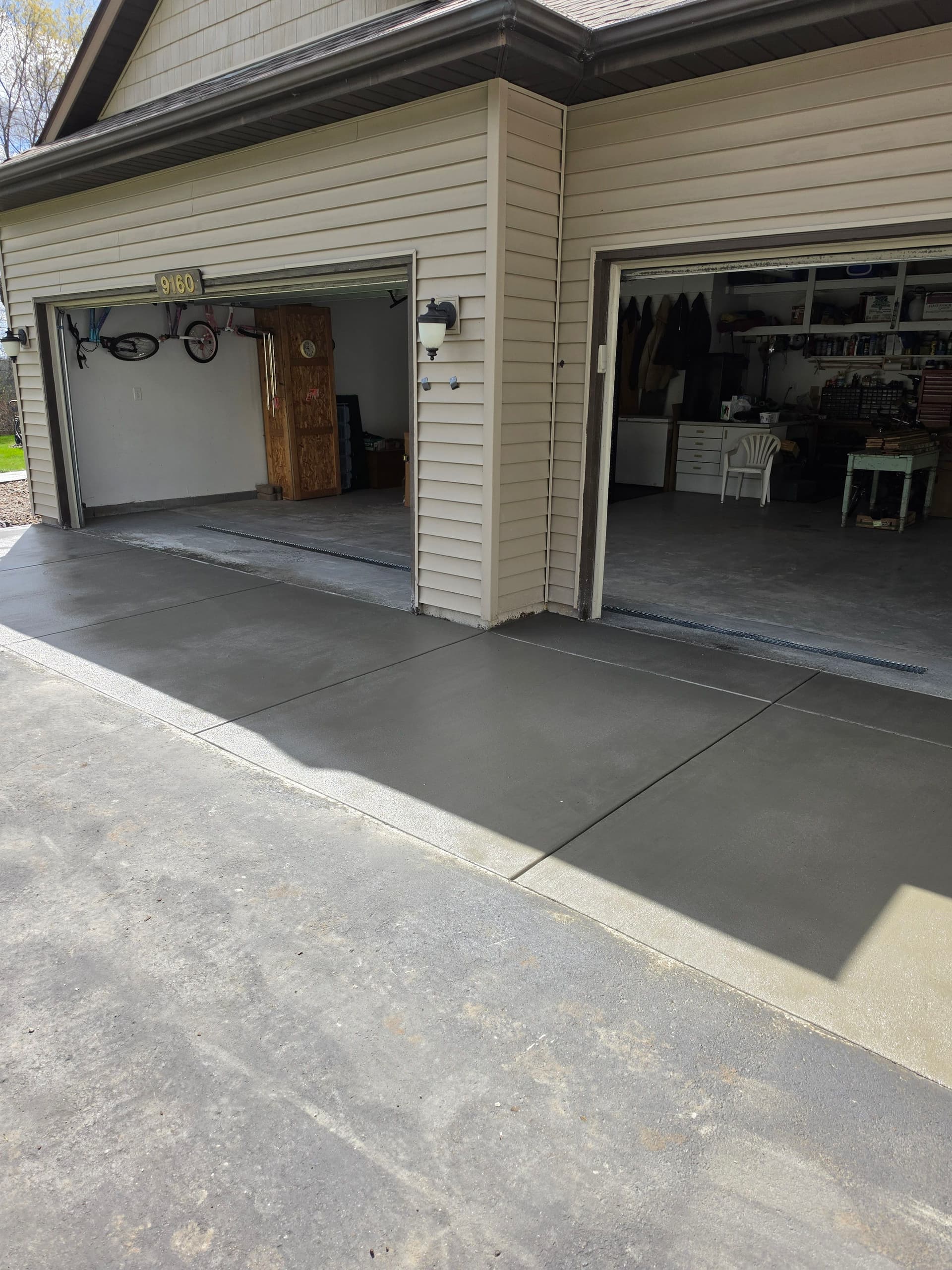
We started with the concrete work first. The apron got replaced with a clean, fresh pour and we also put in a new curved sidewalk that flows naturally around the front of the home. Getting the shape right on a curved walk like that matters - it has to follow the landscape without looking forced. The finished edges are tight, the control joints are properly placed, and the surface has a nice consistent broom texture throughout.
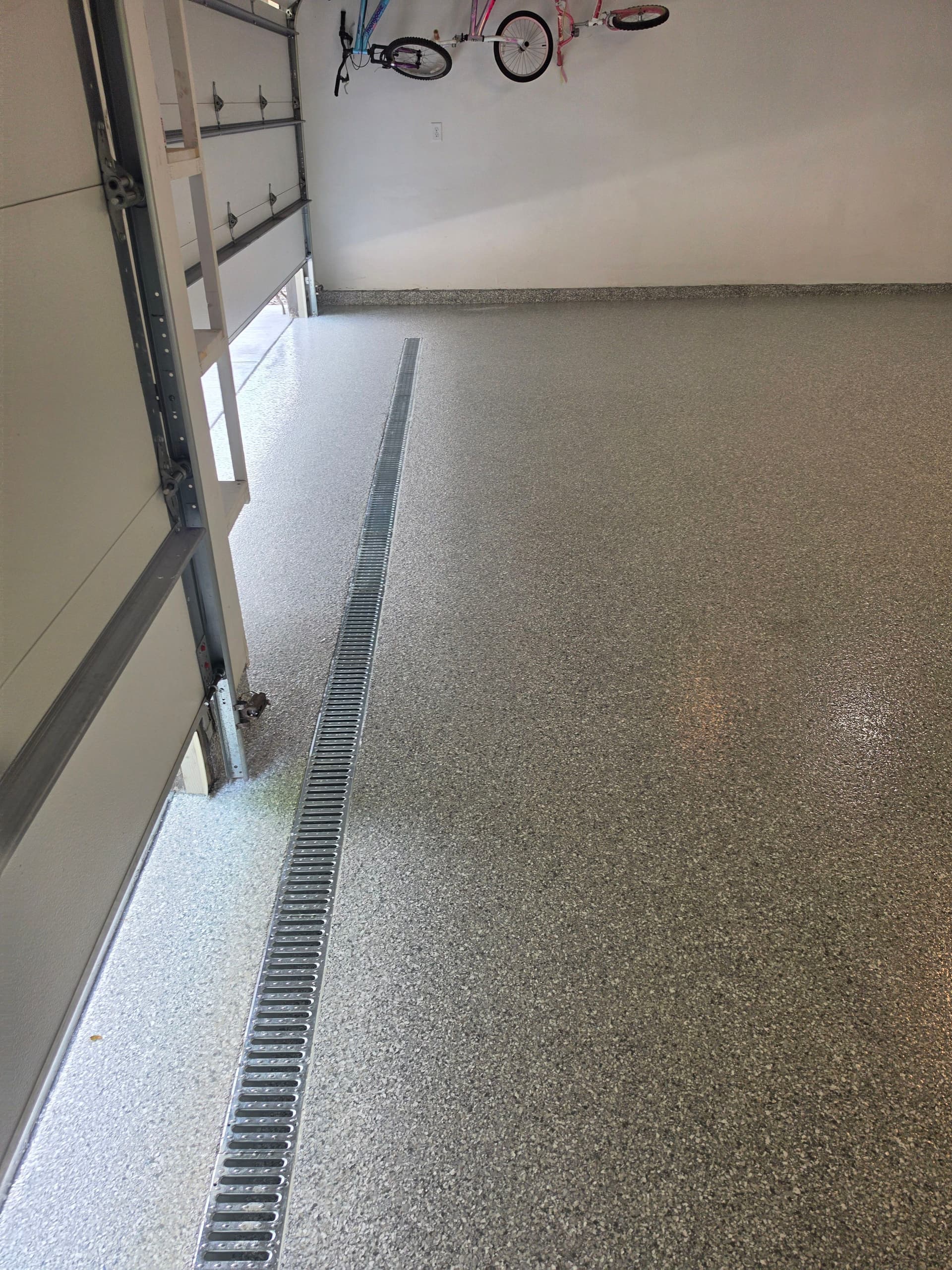
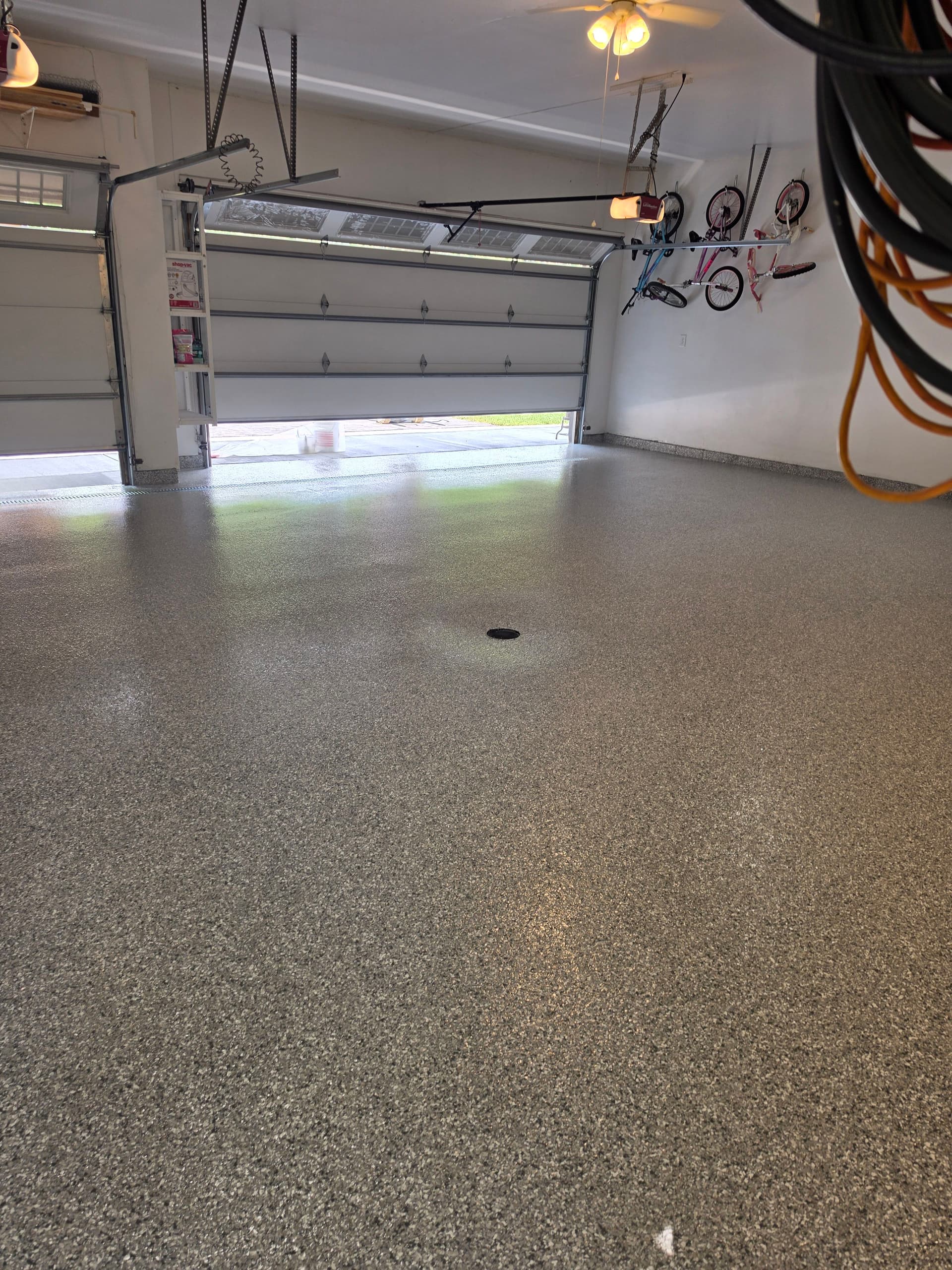
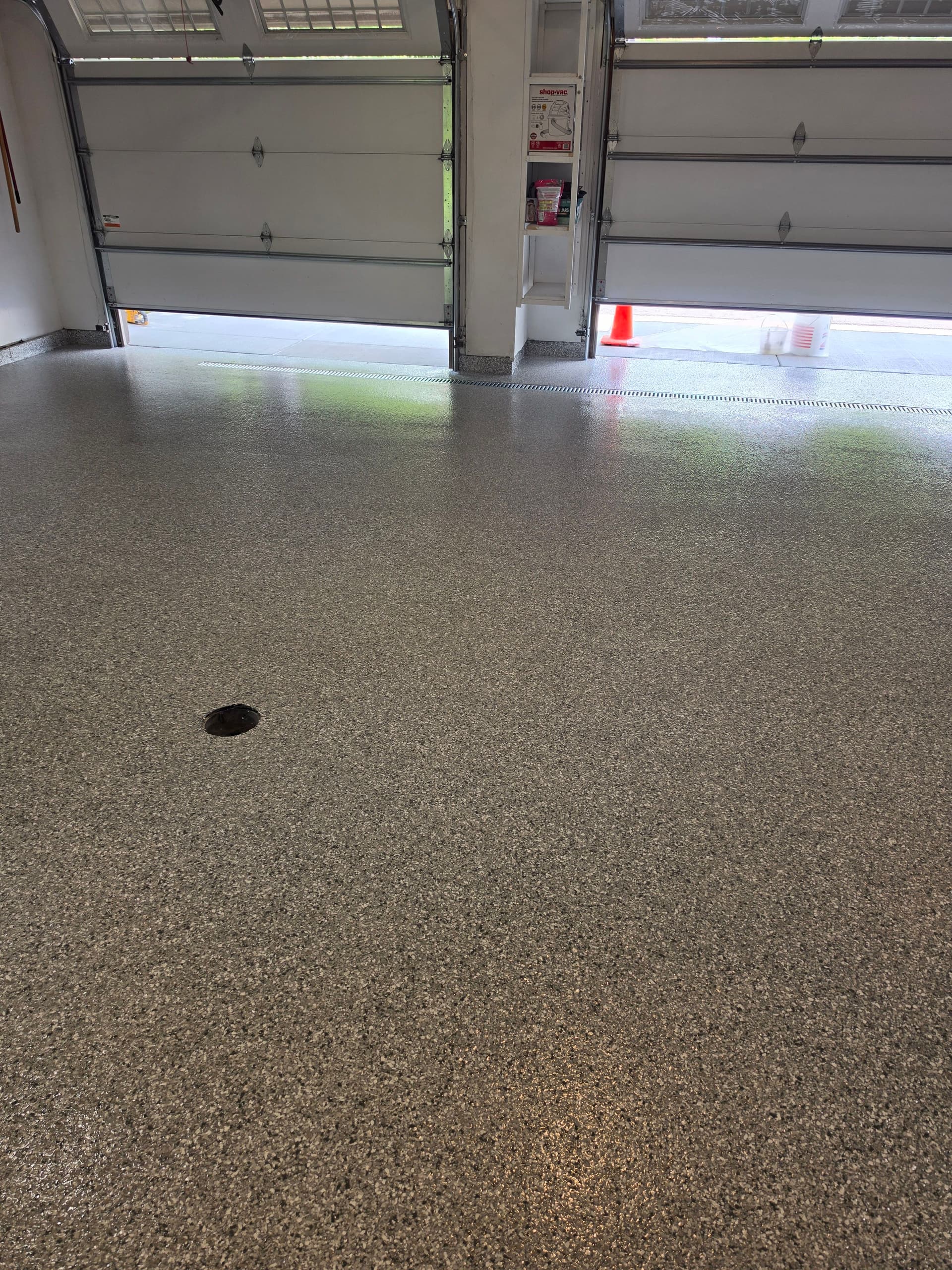
Then came the drain install. A linear garage drain running across the full width of the floor right at the door opening is one of the most practical upgrades you can add to a garage. Water from wet vehicles, rain blowing in, hose washdowns - it all goes where it's supposed to instead of sitting on your floor. Once the drain was set, we coated the entire floor with a full broadcast flake system. The coating wraps right up to the drain channel and integrates cleanly with it.
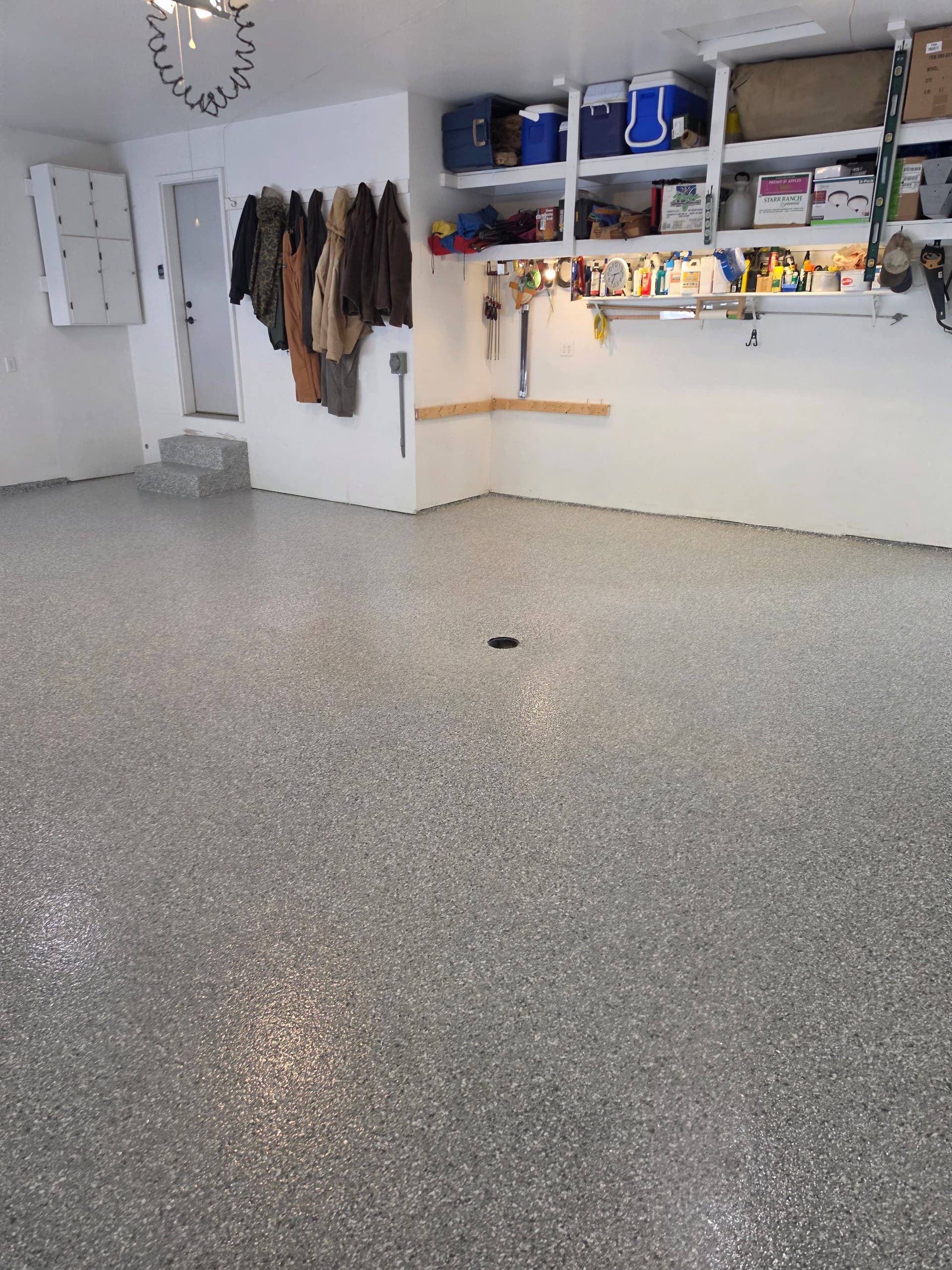
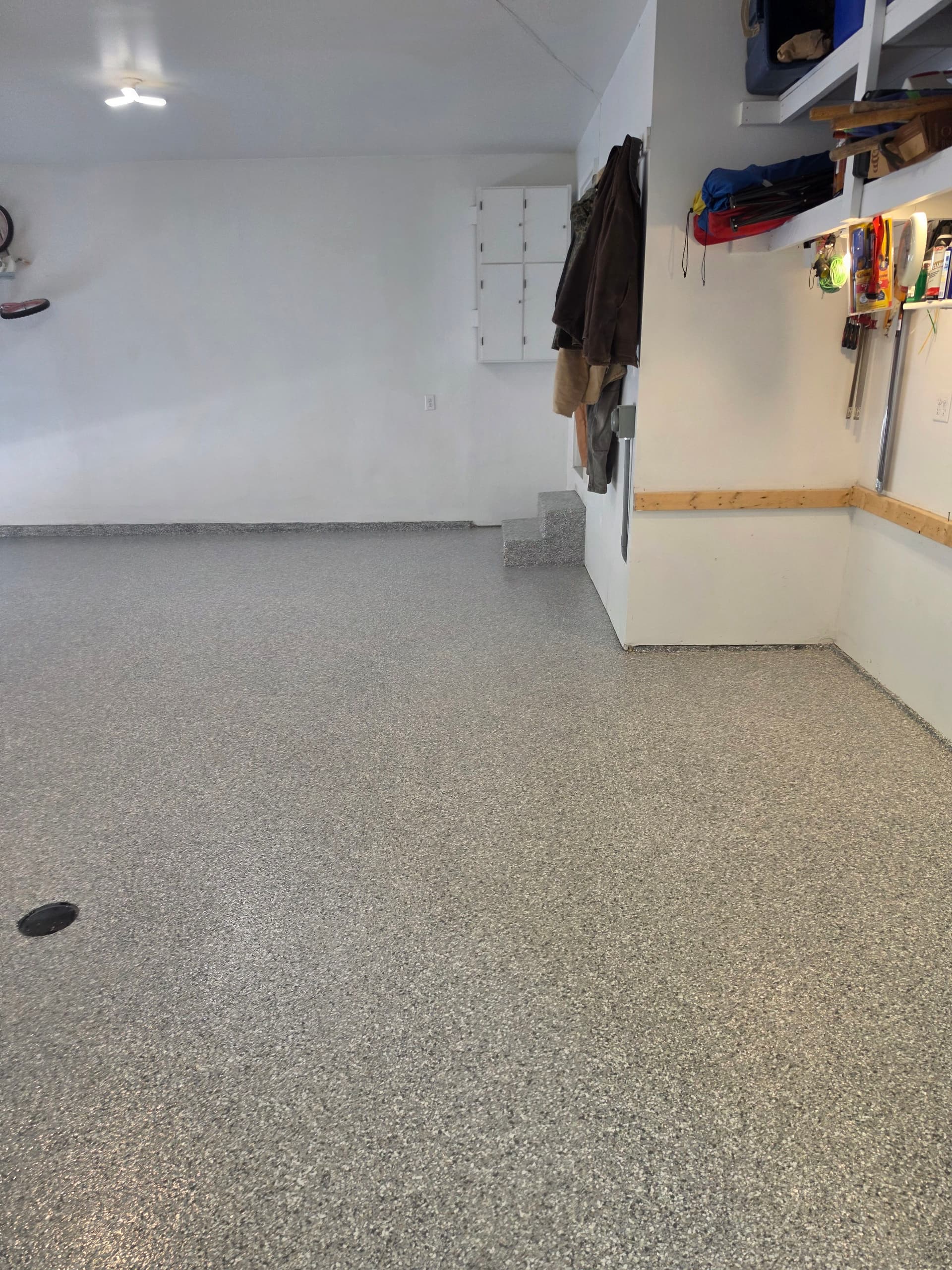
The floor coating itself is built for real use. The full-flake finish gives you traction underfoot, hides minor scuffs and dirt between cleanings, and holds up against oil, chemicals, and the kind of daily wear a working garage sees. It also just looks sharp. There's a big difference between a sealed, coated garage floor and bare concrete - both in how it performs and how the whole space feels.
Whether you're dealing with drainage issues, a crumbling apron, a beat-up sidewalk, or a floor that's seen better days - these are all problems we handle. And more often than not, it makes sense to knock them all out together while we're already on site.